Automating Contract Review for Financial Services in 2026
How automating contract review for financial services cuts manual hours, flags risk and keeps auditors happy. Explore tools, workflows and best practice.
Table of Contents
- Why Manual Contract Review Breaks Down in Financial Services
- How Automating Contract Review for Financial Services Actually Works
- Comparison Table: Contract Review Platforms for Regulated Firms
- AI Contract Analysis Best Practices
- Automated Policy Compliance for Large Enterprises: Tying Contracts to Policy
- Audit Trails, Citations and the Evidence Regulators Expect
- Implementation Effort and What It Costs to Run
- Common Mistakes When Automating Contract Review
- Conclusion
- Frequently Asked Questions
Last Updated: September 17, 2026
Why Manual Contract Review Breaks Down in Financial Services
Automating contract review for financial services replaces manual clause-by-clause reading with software that extracts terms, checks them against policy, and flags risk before a human signs off. The case for it is straightforward: a contracts team that spends four to five hours on every agreement cannot keep pace with the volume a regulated firm generates, and the errors that slip through cost far more than the review time ever did.
This guide from Certant covers what actually changes when you automate, where the technology still needs a human, and how to judge platforms built for regulated work rather than general office use.
The pressure is structural, not seasonal. Financial firms sign vendor agreements, custody arrangements, credit facilities, and outsourcing contracts, each carrying clauses that regulators expect you to know about and act on. Manual review scales linearly with headcount. Contract volume does not.
That mismatch produces three predictable failures. Reviews become inconsistent between reviewers. Risk clauses get missed when someone is rushing. And audit trails live in email threads rather than a system anyone can query.
How Automating Contract Review for Financial Services Actually Works
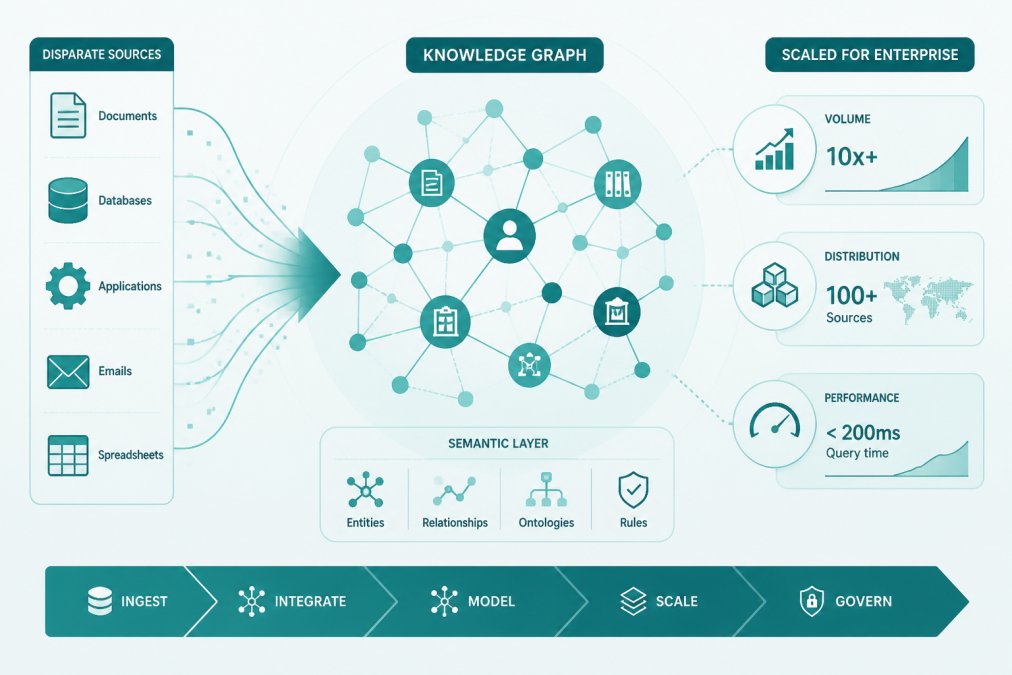
The pipeline has four stages: ingestion, extraction, comparison against your rules, and risk flagging with a citation back to the source. Each stage matters, and the last one determines whether the output survives an audit.
Ingestion pulls documents from wherever they live. That usually means several systems at once: a document repository, a case management platform, and whatever is still sitting in shared drives. A platform that only reads from one location leaves you reconciling the rest by hand.
Extraction identifies the clauses that matter to your business. Not every clause, just the ones tied to your policy positions: indemnity, termination rights, data handling, liability caps, subcontracting.
Comparison is where your rules live. A liability cap above your threshold gets flagged. A termination clause without the notice period you require gets flagged. This is policy enforcement, not document summarisation.
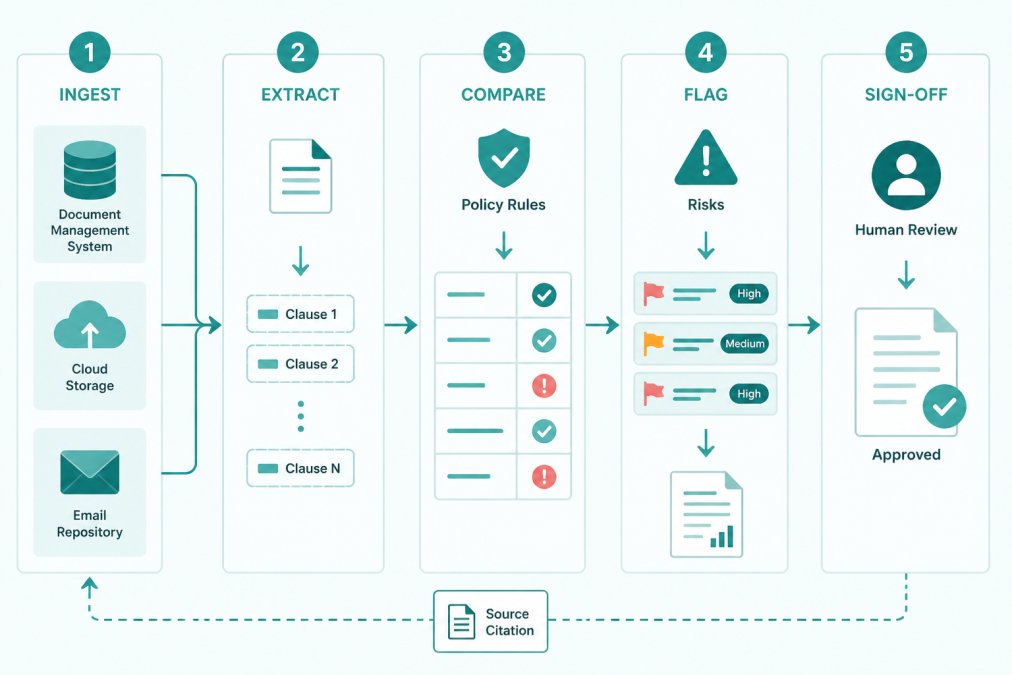
From Document Ingestion to Risk Flag
The output of a good pipeline is not a summary. It is a list of specific risks, each linked to the paragraph that triggered it. A reviewer opens the flag, reads the source clause, and decides whether to accept, negotiate, or escalate.
That structure changes the reviewer's job. Instead of reading every page to find problems, they adjudicate a short list of identified ones. The work shifts from searching to deciding, which is where their expertise actually adds value.
Where a Knowledge Graph Differs From Keyword Search
A knowledge graph maps relationships between entities: this counterparty, this clause type, this policy rule, this jurisdiction. Keyword search finds documents containing a phrase. A graph tells you that this vendor appears in fourteen contracts, three of which carry liability terms outside your standard position.
That relational layer is what makes automated policy compliance for large enterprises workable. You are not searching for a word. You are asking which agreements breach which rules, and getting an answer you can verify.
Certant builds this kind of live knowledge graph from internal documents and data, with answers cited back to source paragraphs rather than generated from an opaque model.
Comparison Table: Contract Review Platforms for Regulated Firms
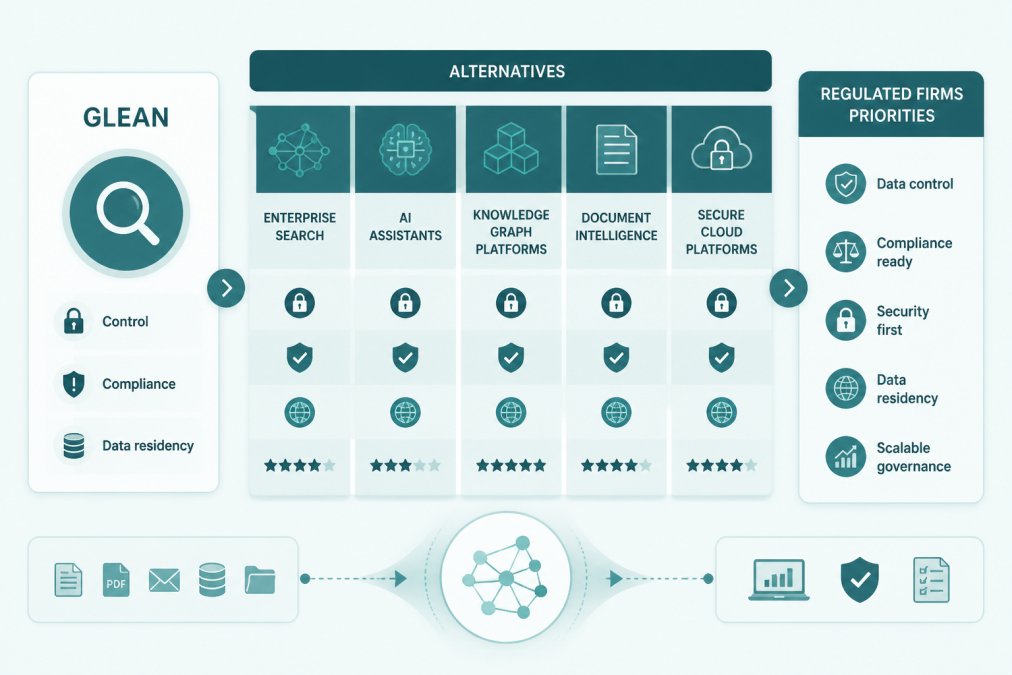
Platforms differ mainly in scope. Some cover the full contract lifecycle, others focus on review, and a few specialise in one slice such as billing verification or audit evidence.
Build a brain for your company →
| Platform | Primary Focus | Best For | Free Tier |
|---|---|---|---|
| Certant | Knowledge graph with cited answers | Regulated firms needing verifiable risk flags | Yes |
| LegalOn | Playbook-based risk assessment | In-house legal teams | No |
| Ironclad | Full contract lifecycle | Large enterprises | No |
| Luminance | Document analysis and due diligence | Deep review at volume | No |
| Icertis | Commercial contract management | Global firms, multi-jurisdiction | No |
| DataSnipper | Evidence matching for audit | Audit and finance teams | No |
| Opstream | Version comparison for procurement | Vendor contract workflows | No |
| Workiva | Connected reporting and compliance | Regulatory reporting teams | No |
Certant publishes its pricing and offers a free tier, so you can test the pipeline on real contracts before committing budget.
AI Contract Analysis Best Practices
The single most important practice is requiring citations. Any flag the system raises must point to the exact clause that caused it. Without that link, you cannot verify the output, and unverifiable output is worse than no output in a regulated environment.
Four practices separate implementations that hold up from those that quietly get abandoned:
- Start with your highest-volume contract type. Prove the pipeline on the agreements you see most often before expanding scope.
- Encode policy as explicit rules. A rule a reviewer can read and challenge beats a model's judgement call every time.
- Keep a human in the loop for anything above your risk threshold. Automation triages; people decide.
- Test against contracts you have already reviewed manually. You know the right answers, so you can measure whether the system finds them.
The last point matters more than it sounds. A common mistake is evaluating a platform on demo documents supplied by the vendor. Those are chosen to flatter the system. Your own reviewed contracts are the only honest benchmark. Rigorous internal testing requires a robust support infrastructure, which is why integrating AI tools for paralegals remains essential for maintaining consistent oversight across your entire document portfolio.
Certant's approach reflects this: verifiable answers with citations to source paragraphs, so a reviewer can check the reasoning rather than trust it.
Automated Policy Compliance for Large Enterprises: Tying Contracts to Policy
Automated policy compliance for large enterprises means every incoming agreement is checked against your internal rules automatically, rather than relying on reviewers to remember them. The contract stops being a standalone document and becomes an input to a policy engine.
That shift solves a problem most large firms recognise. Policy lives in one place, contracts live in another, and the link between them exists only in the heads of experienced staff. When those staff leave, the institutional knowledge leaves with them.
Connecting the two lets you answer questions that were previously research projects. Which active agreements breach our updated data residency policy? Which counterparties have terms that conflict with the new outsourcing rules? Which contracts expire in the next quarter without the renewal notice period we require?
None of those questions require new information. They require the information you already hold to be connected. That is the difference between a document store and a knowledge base.
Audit Trails, Citations and the Evidence Regulators Expect
Regulators do not ask whether your AI is accurate. They ask how you know it is accurate, and what evidence you can produce. That distinction shapes what you should demand from any platform.
An acceptable audit trail records who reviewed each contract, what the system flagged, what the reviewer decided, and why. It links each decision to the clause that prompted it. It survives staff turnover because it lives in the system, not in someone's inbox.
APRA's CPS 230 operational risk guidance sets expectations for how regulated entities manage service providers and operational risk, including the ability to demonstrate oversight. Contract review sits directly inside that obligation.
Implementation Effort and What It Costs to Run
Implementation effort depends mostly on how many document sources you need connected and how complex your policy rules are. A focused deployment on one contract type from one repository is a different project from unifying five systems across three business units.
The practical sequence most firms follow:
Build a brain for your company →
- Connect your primary document repository and load a sample of reviewed contracts.
- Encode your policy rules for one contract type and test against known outcomes.
- Run live contracts in parallel with manual review and compare results.
- Expand to additional contract types and repositories once the first holds up.
Ongoing effort is lighter than most people expect. Once rules are encoded and sources connected, the system runs against incoming documents automatically. The maintenance work is keeping policy rules current, which is work you already do.
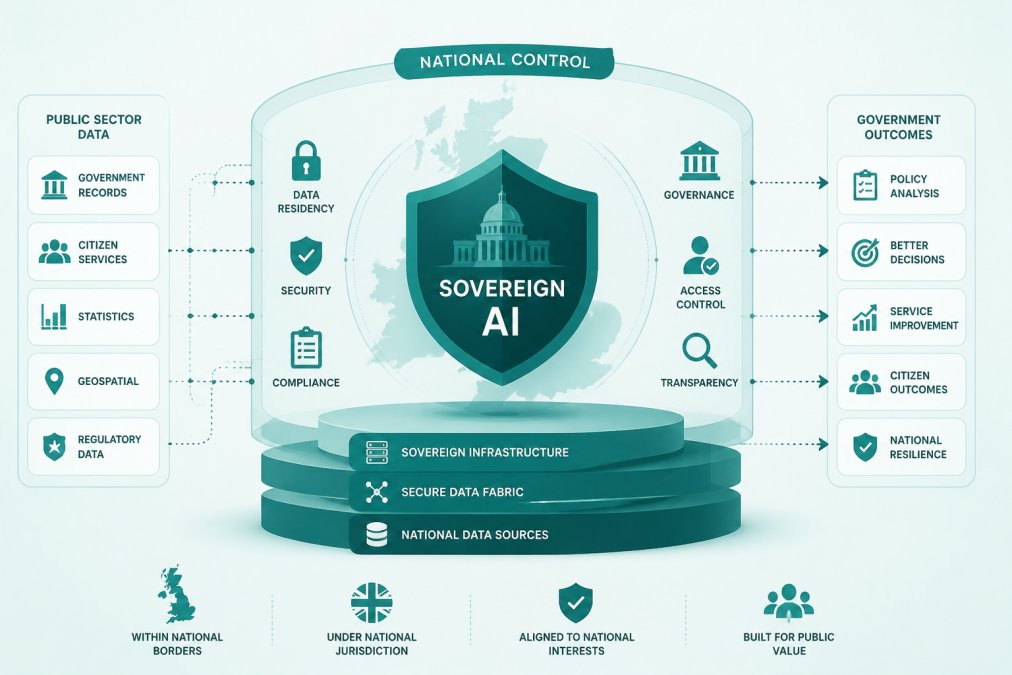
Certant's deployment model is designed to keep this low-risk: a no-install process, support for sovereign and air-gapped environments, and compatibility with AWS Bedrock, Azure AI, GCP Vertex, and local GPUs. For firms with data residency obligations, that flexibility is often the deciding factor.
NIST AI Risk Management Framework provides a useful structure for documenting how automated decisions are governed, which helps when you need to explain the system to auditors.
Common Mistakes When Automating Contract Review
Three mistakes account for most disappointing rollouts, and all three are avoidable.
Treating it as an IT project. The policy rules are the hard part, and they belong to your compliance and legal teams. Hand the project to IT alone and you get a working system enforcing rules nobody agreed on.
Skipping the parallel run. Firms that go straight from pilot to production lose the comparison data that would have revealed gaps. Run both processes side by side long enough to trust the results.
Choosing scope by ambition rather than volume. Starting with your most complex bespoke agreements guarantees a slow, discouraging project. Start with the high-volume, standard contracts where you will see benefit fast.
Conclusion
The hard part of automating contract review is not the technology. It is deciding what your policy actually requires, encoding it clearly, and insisting that every automated flag can be traced back to the clause that caused it.
Certant was built for exactly that constraint. It turns fragmented documents into a live knowledge graph, returns answers with citations to source paragraphs, and supports sovereign, air-gapped, and on-premise deployment for firms that cannot send data to a public cloud. Automatic risk flags on incoming contracts mean your team reviews exceptions instead of reading every page.
Start free and run your own contracts through it. The results on documents you have already reviewed manually will tell you more than any demo.
Frequently Asked Questions
How does AI-driven contract review improve compliance in financial services?
It compares every incoming agreement against your own policy rules and playbook positions, then flags clauses that fall outside them before a human signs. That means the same standard is applied to a two-page supplier term sheet and a 90-page master agreement. The compliance gain comes from consistency: nothing gets waved through because a reviewer was under time pressure. Certant's platform cites the source paragraph behind each flag, so a compliance officer can verify the reasoning rather than trust a score.
Can automated contract review tools handle complex regulatory requirements?
They can handle the clause-level checks, provided the tool is grounded in your documents rather than generic training data. Complex requirements usually mean multiple rules interacting: an outsourcing clause, a data residency condition and a notification obligation that all apply to the same agreement. A knowledge graph approach models those relationships, so the system can surface a conflict a single-clause check would miss. The limits sit in interpretation and negotiation, which still need a qualified reviewer.
How does a knowledge graph approach differ from standard contract automation?
Standard automation extracts fields from one document at a time. A knowledge graph links those fields across your whole estate: this counterparty, this policy version, this prior amendment, this approval. The difference shows up in the questions you can ask. Instead of 'what does clause 7 say', you get 'which live contracts with this counterparty breach the policy we updated in March'. Certant builds that graph from your internal documents and returns answers with citations to the source paragraph.
What should financial firms look for in contract review software?
Four things matter more than feature lists. First, verifiable answers with citations, because auditors will ask how the system reached a conclusion. Second, deployment options: sovereign, air-gapped or on-premise if your data cannot leave your environment. Third, low implementation effort, so your stretched IT team is not running a six-month project. Fourth, a pricing model you can start small with. Certant offers a free tier and publishes its pricing, which makes the first step low risk.
Frequently asked questions
How does AI-driven contract review improve compliance in financial services?
It compares every incoming agreement against your own policy rules and playbook positions, then flags clauses that fall outside them before a human signs. That means the same standard is applied to a two-page supplier term sheet and a 90-page master agreement. The compliance gain comes from consistency: nothing gets waved through because a reviewer was under time pressure. Certant's platform cites the source paragraph behind each flag, so a compliance officer can verify the reasoning rather than trust a score.
Can automated contract review tools handle complex regulatory requirements?
They can handle the clause-level checks, provided the tool is grounded in your documents rather than generic training data. Complex requirements usually mean multiple rules interacting: an outsourcing clause, a data residency condition and a notification obligation that all apply to the same agreement. A knowledge graph approach models those relationships, so the system can surface a conflict a single-clause check would miss. The limits sit in interpretation and negotiation, which still need a qualified reviewer.
How does a knowledge graph approach differ from standard contract automation?
Standard automation extracts fields from one document at a time. A knowledge graph links those fields across your whole estate: this counterparty, this policy version, this prior amendment, this approval. The difference shows up in the questions you can ask. Instead of 'what does clause 7 say', you get 'which live contracts with this counterparty breach the policy we updated in March'. Certant builds that graph from your internal documents and returns answers with citations to the source paragraph.
What should financial firms look for in contract review software?
Four things matter more than feature lists. First, verifiable answers with citations, because auditors will ask how the system reached a conclusion. Second, deployment options: sovereign, air-gapped or on-premise if your data cannot leave your environment. Third, low implementation effort, so your stretched IT team is not running a six-month project. Fourth, a pricing model you can start small with. Certant offers a free tier and publishes its pricing, which makes the first step low risk.