Best Glean Alternatives for Regulated Firms in 2026
Compare the best Glean alternatives for regulated firms in 2026, from data governance in AI search tools to compliance-ready knowledge base software.
Table of Contents
- Why Regulated Firms Outgrow Generic Enterprise Search
- Quick Comparison: Best Glean Alternatives for Regulated Firms
- How We Evaluated These Glean Alternatives
- Certant: Verifiable Answers Built for Regulated Workflows
- Onyx: Open-Source Control for Data Sovereignty
- Coveo: Relevance Tuning at Enterprise Scale
- Elastic Enterprise Search: Deep Search for Massive Datasets
- Guru: Verified Knowledge for Internal Teams
- Data Governance in AI Search Tools: What Auditors Look For
- Compliance-Ready Knowledge Base Software: Features That Matter
- Which Glean Alternative Fits Your Firm?
- Frequently Asked Questions
Last Updated: September 16, 2026
Why Regulated Firms Outgrow Generic Enterprise Search
Generic enterprise search tools are built for speed, not for evidence. That single design choice is why so many regulated firms find themselves searching for the best Glean alternatives for regulated firms within a year of deployment. A tool that returns a plausible answer without showing its working is a liability in an environment where every decision may need to survive an audit. This guide examines five credible alternatives, what each one does well, and where each one falls short.
The core tension is simple. Knowledge workers want instant answers. Compliance officers want traceable ones. Most search platforms optimise for the first and treat the second as an afterthought, which is fine until a regulator asks how a policy answer was derived. At that point, a confident-sounding chatbot response with no citation trail becomes a problem rather than a solution.
The platforms covered here differ sharply in how they resolve that tension. Some prioritise data sovereignty. Others prioritise relevance tuning or raw scale. Only a few treat verifiable citation as a first-class feature rather than a bolt-on. Below, we break down which approach suits which kind of firm, starting with a side-by-side view.
Quick Comparison: Best Glean Alternatives for Regulated Firms
The table below summarises deployment options, citation capability, and free tier availability across all five platforms.
| Platform | Deployment Options | Citation to Source | Free Tier | Primary Compliance Focus |
|---|---|---|---|---|
| Certant | Cloud, on-premise, air-gapped | Yes, paragraph-level | Yes | Verifiable answers, risk flagging |
| Onyx | Self-hosted, cloud | Configurable | Yes | Data sovereignty |
| Coveo | Cloud, hybrid | Partial | No | Relevance and access control |
| Elastic Enterprise Search | Cloud, on-premise, hybrid | Via custom build | No | Scale and RBAC |
| Guru | Cloud | Verification workflow | Yes | Knowledge accuracy |
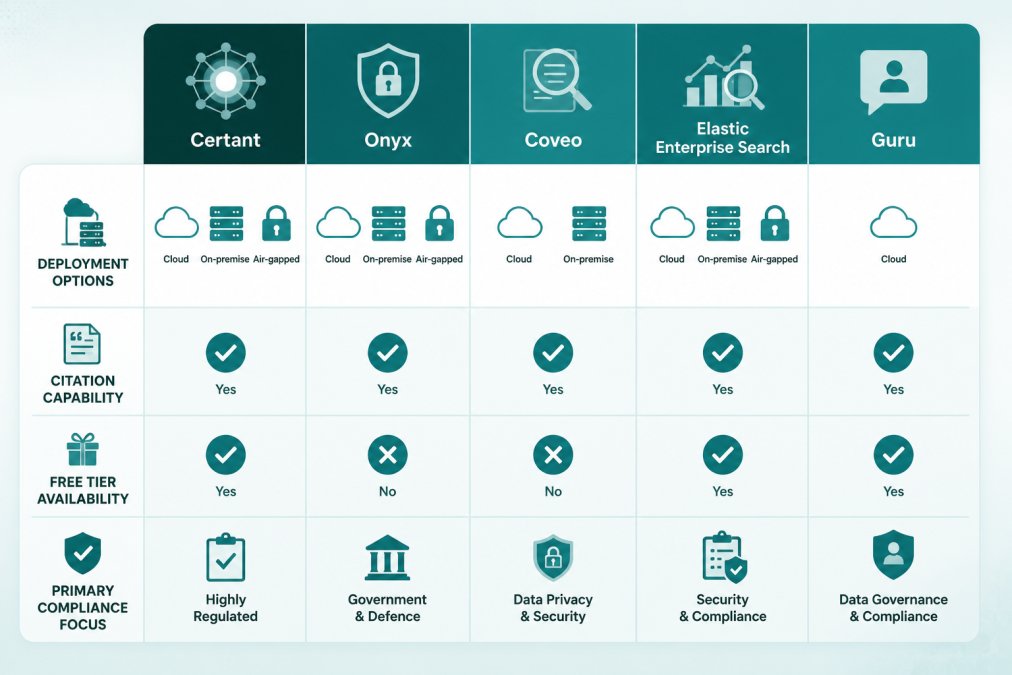
The pattern is clear. Platforms built for regulated work treat citations and deployment control as core architecture, not optional extras.
How We Evaluated These Glean Alternatives
We scored platforms against four criteria that matter most to compliance-driven buyers: verifiability, deployment control, implementation effort, and fit for regulated workflows. Verifiability carries the most weight, because an answer a firm cannot trace back to a source document is an answer it cannot defend.
Deployment control came second. Financial services, healthcare, and government buyers increasingly need on-premise or air-gapped options, and a platform that only runs in a vendor cloud is a non-starter for many of them.
Implementation effort and workflow fit rounded out the assessment. A tool that requires a dedicated engineering team to keep running will struggle in a mid-sized firm with a stretched IT department, no matter how capable it is on paper.
Worth noting: pricing for many enterprise search platforms is quoted per engagement rather than published, so we have avoided speculating on figures. Certant publishes its pricing and offers a free tier, which removes some of the guesswork.
Certant: Verifiable Answers Built for Regulated Workflows
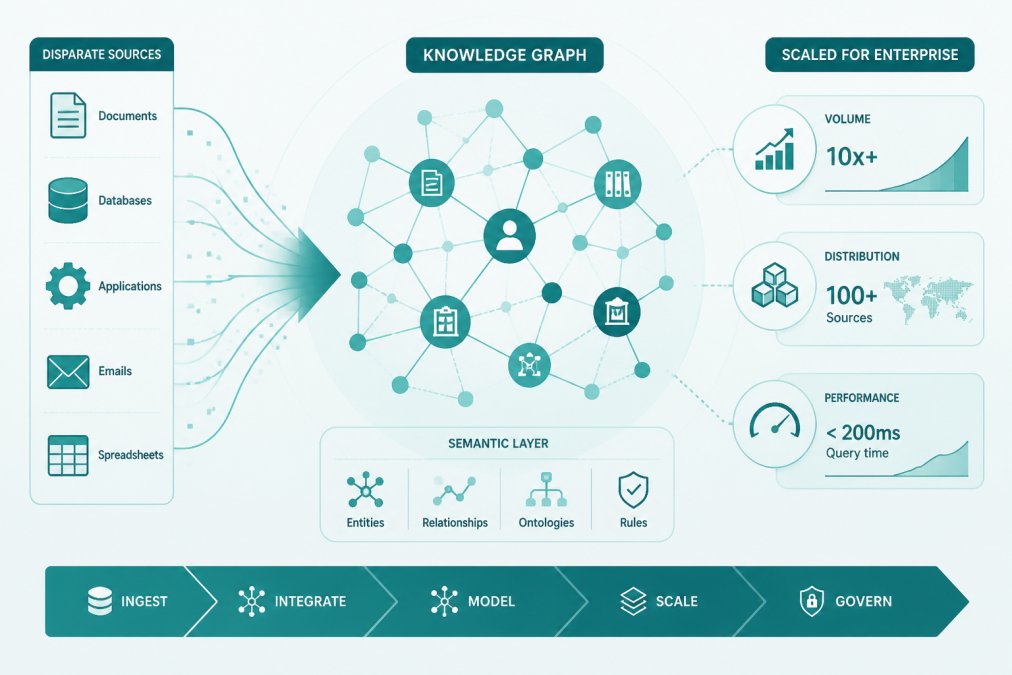
Certant is a knowledge platform that transforms fragmented documents and data into an intelligent knowledge graph, designed specifically for highly regulated industries. Every answer it returns cites the source paragraph it came from, which means staff and auditors can trace the reasoning rather than trusting a black box.
That citation-first design is the main differentiator. A compliance officer asking why a contract clause was flagged can see exactly which document and which paragraph triggered the flag. For firms that have been burned by AI tools confidently returning wrong answers, that traceability is the whole point.
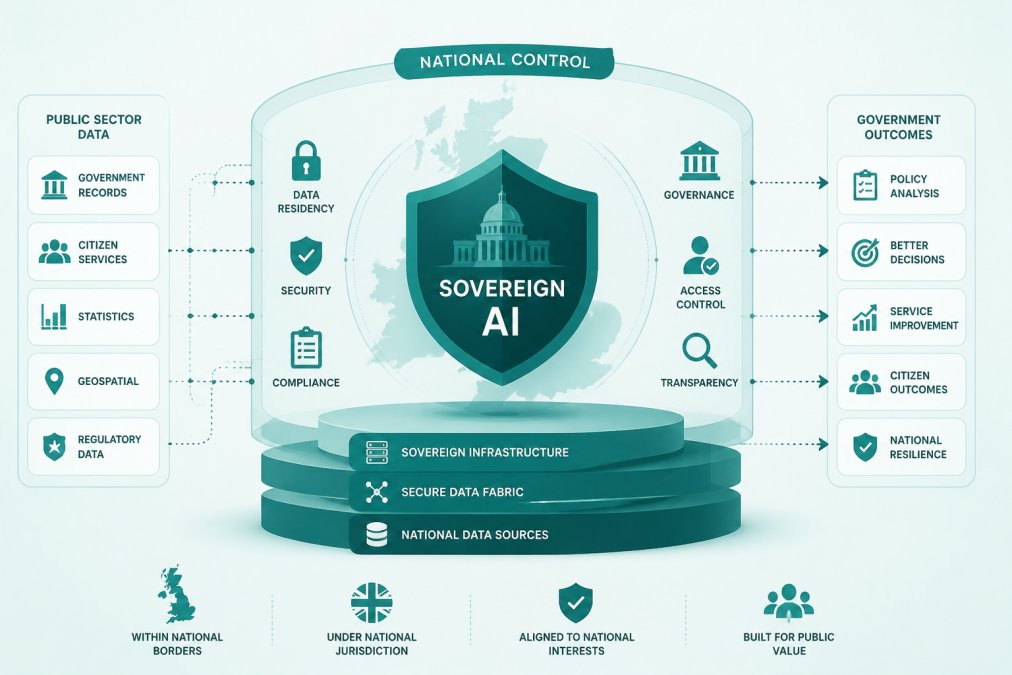
Deployment flexibility matters here too. Certant supports sovereign, air-gap-capable, and on-premise deployments, and works with AWS Bedrock, Azure AI, GCP Vertex, and local GPUs. For government agencies or financial firms with data residency obligations, that range of options is often the deciding factor.
The platform also handles automatic risk flags on incoming contracts, which cuts the manual review burden on legal and contracts teams. Drag-and-drop AI agents automate repetitive document work without requiring specialist staff to build or maintain them, and the no-install implementation process keeps the IT lift low.
Certant is IRAP-aligned and built around CPS 230 and APP 8 compliance requirements, which gives Australian regulated firms a starting point that does not require a lengthy gap assessment. For firms wanting to test before committing, there is a free tier.
Pros:
- Paragraph-level citations on every answer
- Air-gapped and on-premise deployment available
- Automatic risk flags on incoming contracts
- No-install, low-risk implementation
- Free tier available
Cons:
- Less suited to firms that only need lightweight internal wiki search
Onyx: Open-Source Control for Data Sovereignty
Onyx is an open-source enterprise search and knowledge platform built for organisations that want full control over their infrastructure. Because the codebase is open, firms can self-host the entire stack and inspect exactly how data flows through the system.
For regulated firms with strict data sovereignty requirements, that transparency is genuinely valuable. Security teams can audit the code, and there is no dependency on a vendor's cloud region or uptime. Onyx connects to a range of enterprise data silos and supports granular permission management, so sensitive documents stay restricted to the right people.
Build a brain for your company →
The trade-off is operational. Self-hosting an open-source platform means your internal team owns deployment, upgrades, and troubleshooting. Firms without dedicated engineering capacity often underestimate that burden. It is a strong fit for technically mature organisations and a poor fit for lean teams that need something running quickly.
Pros:
- Full data control through self-hosting
- Transparent, auditable open-source codebase
- Granular permission management
Cons:
- Requires internal technical resources to deploy and maintain
Coveo: Relevance Tuning at Enterprise Scale
Coveo is an AI-powered search and relevance platform that unifies indexing across complex enterprise environments. Its strength is search quality: the machine learning behind its relevance ranking and personalisation is among the more mature in the category.
Large enterprises with sprawling application estates tend to get the most from it. Coveo ships an extensive library of pre-built connectors for common enterprise systems, and it can build a unified index spanning both cloud and on-premise data. Security and compliance features are well developed, and the platform has a track record in regulated sectors.
Where it falls short is implementation complexity. Coveo is not a lightweight deployment, and firms should expect a substantial configuration effort before the relevance tuning pays off. There is no free tier, and pricing is quoted per engagement rather than published.
Pros:
- Strong relevance tuning and personalisation
- Broad connector library for enterprise applications
- Proven in regulated industries
Cons:
- Complex implementation
- No free tier
Elastic Enterprise Search: Deep Search for Massive Datasets
Elastic Enterprise Search is a search engine built on the Elastic Stack, designed for organisations with very large data volumes. It scales to petabytes and gives engineering teams deep control over how search behaves.
That flexibility is both the appeal and the obstacle. Firms with bespoke search requirements and the engineering talent to build on top of the platform can achieve results that off-the-shelf tools cannot match. Role-based access control and flexible deployment across cloud, on-premise, or hybrid configurations support strict security postures.
For non-technical users, though, the learning curve is steep. Elastic is a platform to build on, not a finished product to switch on, and citation of source paragraphs is something you would need to construct rather than something that ships by default. There is no free tier, and pricing is quoted per engagement.
Pros:
- Handles very large datasets
- Flexible deployment and RBAC
- Highly customisable for bespoke requirements
Cons:
- Steep learning curve for non-technical staff
- Citations require custom development
Guru: Verified Knowledge for Internal Teams
Guru is a knowledge management platform that uses AI to capture and verify information across an organisation. Its focus is internal documentation accuracy rather than deep search across technical databases. Maintaining this level of internal clarity often requires broader strategies for organising project documentation that extend beyond simple verification workflows.
The verification workflow is the standout feature. Knowledge cards have clear owners and audit trails, so information stays current rather than decaying quietly in a wiki. A browser extension surfaces answers inside existing workflows, and integrations with Slack, Microsoft Teams, and similar tools keep the knowledge close to where people work.
For teams whose main problem is stale internal documentation, Guru solves it well. For firms that need search across contracts, case files, or policy archives with paragraph-level citation, it is a narrower tool than the others on this list.
Pros:
- Strong verification workflow with clear ownership
- Intuitive interface for non-technical staff
- Good workflow integrations
Cons:
Build a brain for your company →
- Less focused on deep enterprise search across technical systems
Data Governance in AI Search Tools: What Auditors Look For
Data governance in AI search tools is the set of controls that determine where data lives, who can access it, how answers are generated, and whether those answers can be traced back to a source. Auditors assess all four, and a gap in any one of them tends to surface during review.
The first thing auditors ask for is a citation trail. If the system returned an answer about a compliance obligation, they want to see the source document and the specific passage behind it. Platforms that cannot produce that trail create work for the firm, because staff end up reconstructing the reasoning manually.
Access control comes next. Auditors check that permission boundaries in the search tool match the boundaries in the underlying systems, so a user cannot surface a document they were never entitled to see. Granular permission management matters here.
Deployment location rounds out the picture. Firms subject to data residency rules need to show where processing happens, which is why air-gapped and on-premise options carry weight. OAIC guidance on AI and privacy sets out expectations for Australian organisations handling personal information in automated systems, and it is a useful reference when mapping your own controls.
Compliance-Ready Knowledge Base Software: Features That Matter
Compliance-ready knowledge base software is software that can demonstrate, on demand, where every answer came from, who could see it, and where it was processed. Those three capabilities separate tools built for regulated work from general-purpose search.
Start with citation. Paragraph-level sourcing beats document-level sourcing, because a document can be long and a citation to the whole thing tells an auditor very little. Certant cites the source paragraph, which shortens the distance between question and evidence.
Next, look at deployment. Sovereign, air-gap-capable, and on-premise options cover the widest range of regulatory postures. Compatibility with AWS Bedrock, Azure AI, GCP Vertex, and local GPUs means the same platform can run in whichever environment your obligations permit.
Finally, consider workflow automation. Automatic risk flags on incoming contracts and self-service policy answers reduce the manual load on compliance and legal teams, and drag-and-drop AI agents let firms automate document-heavy processes without specialist build effort. NIST AI Risk Management Framework offers a structured way to think about the risks these systems introduce, particularly around accuracy and traceability.
| Requirement | Why It Matters | What to Look For |
|---|---|---|
| Paragraph-level citation | Defensible answers during audit | Source passage linked to each answer |
| Deployment control | Data residency compliance | On-premise or air-gapped options |
| Granular permissions | Prevents unauthorised disclosure | Access mirrors source system |
| Risk flagging | Reduces manual review load | Automatic flags on contracts |
| Free tier or trial | Low-risk evaluation | Test before full commitment |
Which Glean Alternative Fits Your Firm?
The right choice depends on which constraint binds hardest.
For most regulated firms, though, the deciding factor is verifiability. If your auditors will ask how the system arrived at an answer, you need a platform that can show them, and that narrows the field considerably.
Certant is a strong fit for firms where traceable answers and deployment control both matter. Paragraph-level citations, air-gap-capable deployment, automatic contract risk flags, and a no-install implementation process address the three questions regulated buyers ask first: can we defend the answer, where does the data live, and how much work is this going to take.
ISO/IEC 42001 AI management systems standard provides a governance framework that pairs well with any of these platforms, and it is worth reviewing before you commit to a vendor.
Regulated firms face a genuine bind: staff need fast answers, and auditors need evidence. Closing that gap usually means choosing a platform that treats citation and deployment control as architecture rather than features. Certant builds a live knowledge graph from your internal documents, returns verifiable answers with citations to source paragraphs, supports sovereign and air-gapped deployment, and flags risk on incoming contracts automatically. Start free with Certant and give your team answers they can actually defend.
Frequently Asked Questions
Why do regulated firms require specific enterprise search features?
Generic search tools optimise for finding documents, not for proving how an answer was reached. Regulated firms need audit trails, source citations, and permission controls that map to existing governance frameworks. Without those, a search result is just a claim. Certant, for example, cites the exact source paragraph behind every answer, which gives compliance teams something concrete to show auditors rather than a black-box response.
How does data sovereignty impact the choice of knowledge management tools?
Data sovereignty determines where your documents live and who can access them. Firms in government, healthcare, and financial services often cannot send data to third-party cloud infrastructure. That rules out many SaaS-only tools. Certant supports sovereign, air-gap-capable, and on-premise deployments, so data never leaves the organisation's control. Check deployment options before shortlisting.
Can open-source search tools meet financial compliance standards?
Open-source tools can give you control over the codebase and infrastructure, which helps with transparency and data residency. The trade-off is that compliance is your responsibility: you manage patching, access controls, and audit logging yourself. Firms with strong internal engineering teams can make this work. Firms without that capacity typically need a vendor that ships compliance features out of the box, such as citation trails and role-based access controls.
How do knowledge graphs differ from traditional enterprise search?
Traditional search matches keywords to documents. A knowledge graph maps relationships between people, policies, contracts, and processes, so the system understands context rather than just text. That distinction matters when a compliance officer asks whether a specific clause appears in any active supplier agreement. Certant builds a live knowledge graph from internal documents, which lets it answer that kind of question with citations rather than a list of links.
What are the primary security risks of using generic enterprise search?
Three risks stand out. First, permission leakage: a tool that ignores existing access controls can surface sensitive documents to the wrong staff. Second, ungrounded answers: AI that generates responses without citing sources can produce confident but wrong compliance guidance. Third, data residency: cloud-only tools may store indexed content outside your jurisdiction. Certant addresses all three with permission-aware indexing, paragraph-level citations, and air-gap-capable deployment options.
Frequently asked questions
Why do regulated firms require specific enterprise search features?
Generic search tools optimise for finding documents, not for proving how an answer was reached. Regulated firms need audit trails, source citations, and permission controls that map to existing governance frameworks. Without those, a search result is just a claim. Certant, for example, cites the exact source paragraph behind every answer, which gives compliance teams something concrete to show auditors rather than a black-box response.
How does data sovereignty impact the choice of knowledge management tools?
Data sovereignty determines where your documents live and who can access them. Firms in government, healthcare, and financial services often cannot send data to third-party cloud infrastructure. That rules out many SaaS-only tools. Certant supports sovereign, air-gap-capable, and on-premise deployments, so data never leaves the organisation's control. Check deployment options before shortlisting.
Can open-source search tools meet financial compliance standards?
Open-source tools can give you control over the codebase and infrastructure, which helps with transparency and data residency. The trade-off is that compliance is your responsibility: you manage patching, access controls, and audit logging yourself. Firms with strong internal engineering teams can make this work. Firms without that capacity typically need a vendor that ships compliance features out of the box, such as citation trails and role-based access controls.
How do knowledge graphs differ from traditional enterprise search?
Traditional search matches keywords to documents. A knowledge graph maps relationships between people, policies, contracts, and processes, so the system understands context rather than just text. That distinction matters when a compliance officer asks whether a specific clause appears in any active supplier agreement. Certant builds a live knowledge graph from internal documents, which lets it answer that kind of question with citations rather than a list of links.
What are the primary security risks of using generic enterprise search?
Three risks stand out. First, permission leakage: a tool that ignores existing access controls can surface sensitive documents to the wrong staff. Second, ungrounded answers: AI that generates responses without citing sources can produce confident but wrong compliance guidance. Third, data residency: cloud-only tools may store indexed content outside your jurisdiction. Certant addresses all three with permission-aware indexing, paragraph-level citations, and air-gap-capable deployment options.